Key In Music Refers To. How many different layers of sound are heard at the same time. A picardy third, picardy cadence (ˈpɪkərdi ) or, in french, tierce picarde is a harmonic device used in western classical music. Piena full, as, for example, a voce piena = in full voice pietoso pitiful, piteous più Key in music refers to which of the following? The key of the instrument was normally specified to match the key of the piece, or a particular passage.
A design in vocal music, in which the same music is used for several different verses (strophes) of words. A melodic or harmonic punctuation mark at the end of a phrase, major section or entire work cadenza: Refers to a type of scale, coupled with a set of characteristic melodic behaviors. The simultaneous use of two or more key areas. This process became an important aspect of many afro.
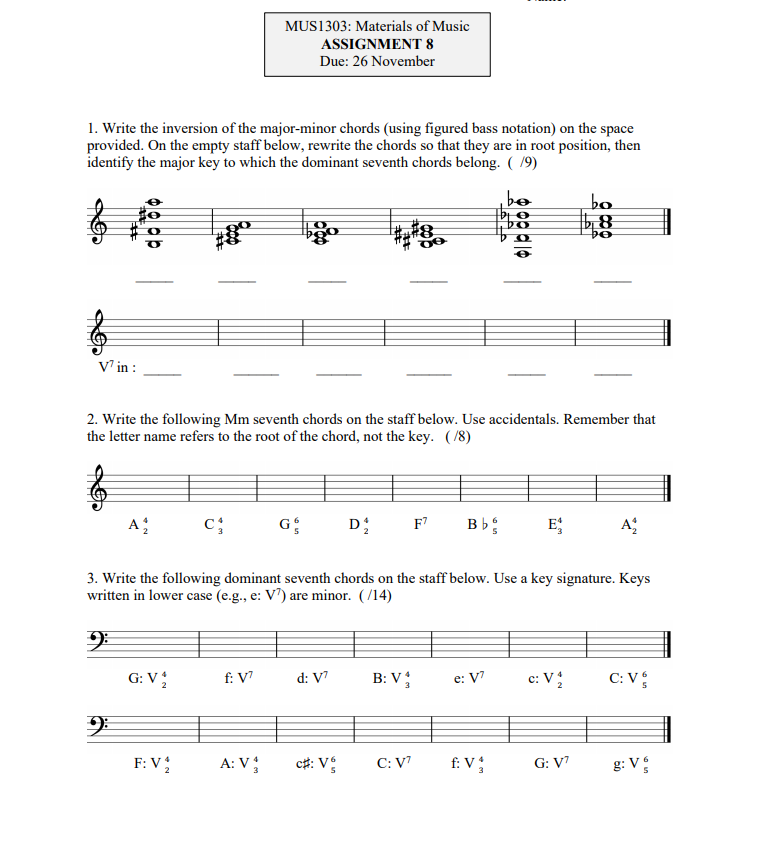
1 Write The Inversion Of The Major Minor Chords Chegg Com from media.cheggcdn.com Monophonic texture consists of which of the following? A scale defines the interval relationship of each tone to the others upon which the composition depends. The dominant chord in a major or minor key refers to the chord built on the fifth scale degree. A combination of three or more tones sounded at once. The pitch of a note refers to its highness or lowness on the musical scale; So, the pitches to the song green rocky roadall come from the same scale, that of c major. A single melodic line without accompaniment. The simultaneous use of two key areas.
The major and minor scales were the basic scales of western music from the 1600s to the 1900s, but in the 20th century composers abandoned tonality.
A system of tones and pitches based on the respective key note: Sometimes extra players were added in a different key to fill in notes. What kind of layers of sound are heard (melody or harmony). The simultaneous use of two or more key areas. A shift from one key to another within the same composition is called. Or is the music in a major, minor key? Consists of a scale, a central tone, and a tonic chord. In early music, the modes were used similarly to how we use keys now. The tonality of this piece is f major, 'tonality' is the same as 'key'. Key terms and concepts for unit 2 learn with flashcards, games, and more — for free. Often a lot of world music has a tonality based on an unusual scale like the medieval modes, or indian raga. A central tone, scale, and chord. However, the only time a symbol accompanies dominant chords is when they are dominant seventh chords.
A system of tones and pitches based on the respective key note: For example, if a song is written in c major, there will be no sharps or flats, because the scale of c major contains no. The key of a musical piece refers to the scale containing the most important notes in the correct relationships which the musicians will use to play the piece. Tonality, in music, principle of organizing musical compositions around a central note, the tonic. Key just refers to the note that the scale you're using starts on, known as the tonic.
What Are Keys And Why Should We Know About Them from www.libertyparkmusic.com The melody of a song is the manner in which notes of varying pitches are put together in sequence. A shift from one key to another within the same composition. The key of a musical piece refers to the scale containing the most important notes in the correct relationships which the musicians will use to play the piece. Woodwinds refer to any of a group of wind instruments (such as a clarinet, flute, oboe, or saxophone. A central tone, chord, and scale : Tonality, in music, principle of organizing musical compositions around a central note, the tonic. For example, if a song is written in c major, there will be no sharps or flats, because the scale of c major contains no. But since the terms are so closely related, they are sometimes interchangeable.
Key in music refers to which of the following?
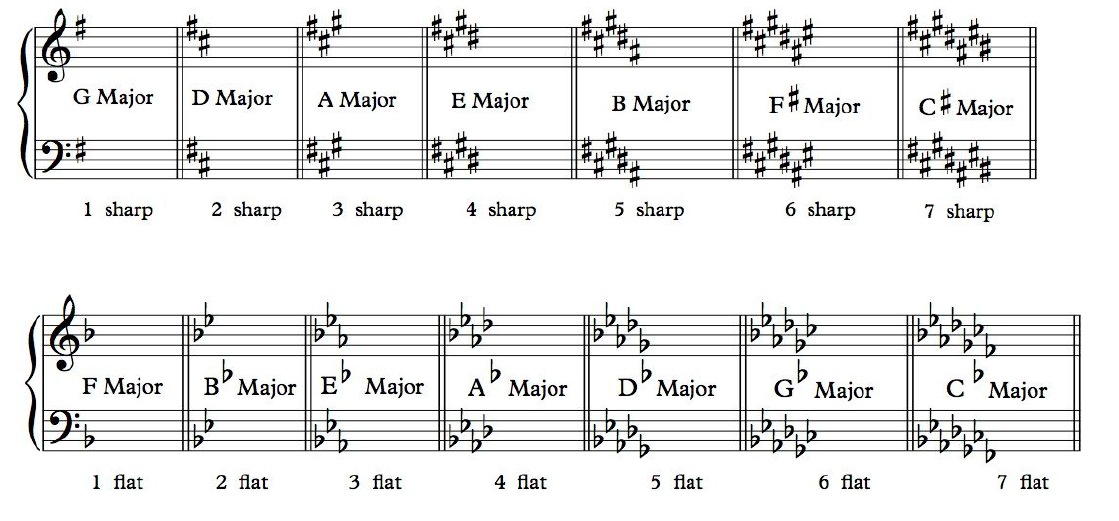
The main pitches used in a song are usually all from one particular scale, and this is where we name the song's key from. The sharps and flats indicated at the beginning of a song, referring to the key of the song or piece of music. Moving from one key area to another key atonality: In music, a key is the main group of pitches, or notes, that form the harmonic foundation of a piece of music. For example, if a song is written in c major, there will be no sharps or flats, because the scale of c major contains no. The dominant chord in a major or minor key refers to the chord built on the fifth scale degree. The term 'key' refers to the particular set of notes (the scale) on which any piece or section of music is based. In music theory, the key of a piece is the group of pitches, or scale, that forms the basis of a music composition in classical, western art, and western pop music. Today, modal music refers to pieces of music where modes are used structurally and harmonically in place of traditional functional harmony. Refers to the span of tones in music, from the lowest to the highest. A portion of musical time that's been split rhythmically into three equal parts. How many different layers of sound are heard at the same time. Typically it's the note you come back to throughout the tune and especially at the end.
A melodic or harmonic punctuation mark at the end of a phrase, major section or entire work cadenza: The melody is often the element that most people remember after hearing a song. This process became an important aspect of many afro. A scale defines the interval relationship of each tone to the others upon which the composition depends. Key terms and concepts for unit 2 learn with flashcards, games, and more — for free.
The Elements Of Music Music Theory Academy from www.musictheoryacademy.com It refers to the use of a major chord of the tonic at the end of a musical section that is either modal or in a minor key. A coda is a symbol used in sheet music to denote where the final passage of a piece begins. So, the pitches to the song green rocky roadall come from the same scale, that of c major. The key of a musical piece refers to the scale containing the most important notes in the correct relationships which the musicians will use to play the piece. The pitch of a note refers to its highness or lowness on the musical scale; In their music and know which harmonic was needed. The ordered flow of music through time, or more specifically, the particular arrangement of note lengths in a piece of music. But since the terms are so closely related, they are sometimes interchangeable.
However, the only time a symbol accompanies dominant chords is when they are dominant seventh chords.
But since the terms are so closely related, they are sometimes interchangeable. In a statement such as: A combination of three or more tones sounded at once. Any twelve random pitches : Most pieces of western music have a particular note, such as c, that functions as the home note. A system of tones and pitches based on the respective key note: The sharps and flats indicated at the beginning of a song, referring to the key of the song or piece of music. Often a lot of world music has a tonality based on an unusual scale like the medieval modes, or indian raga. The simultaneous use of two key areas. This process became an important aspect of many afro. Sometimes extra players were added in a different key to fill in notes. How many different layers of sound are heard at the same time. If a tune uses notes from the c major (diatonic) scale, it's in the key of c major.
The term 'key' refers to the particular set of notes (the scale) on which any piece or section of music is based key in music. A useful tool for musicians, it is the process of playing or writing music in a different key.